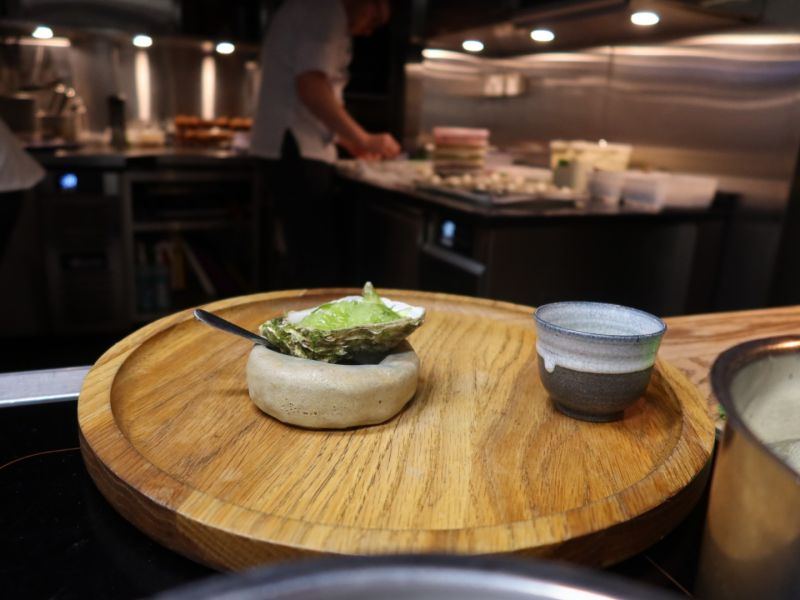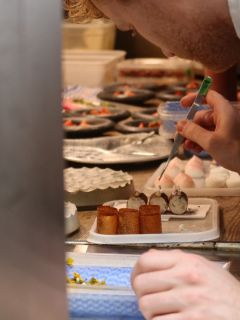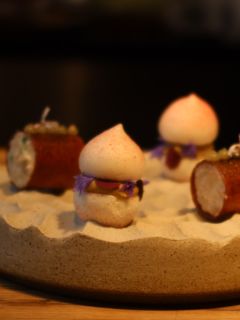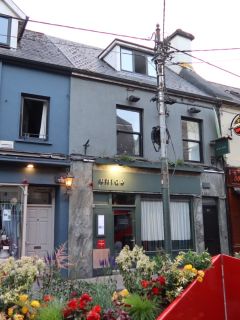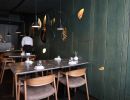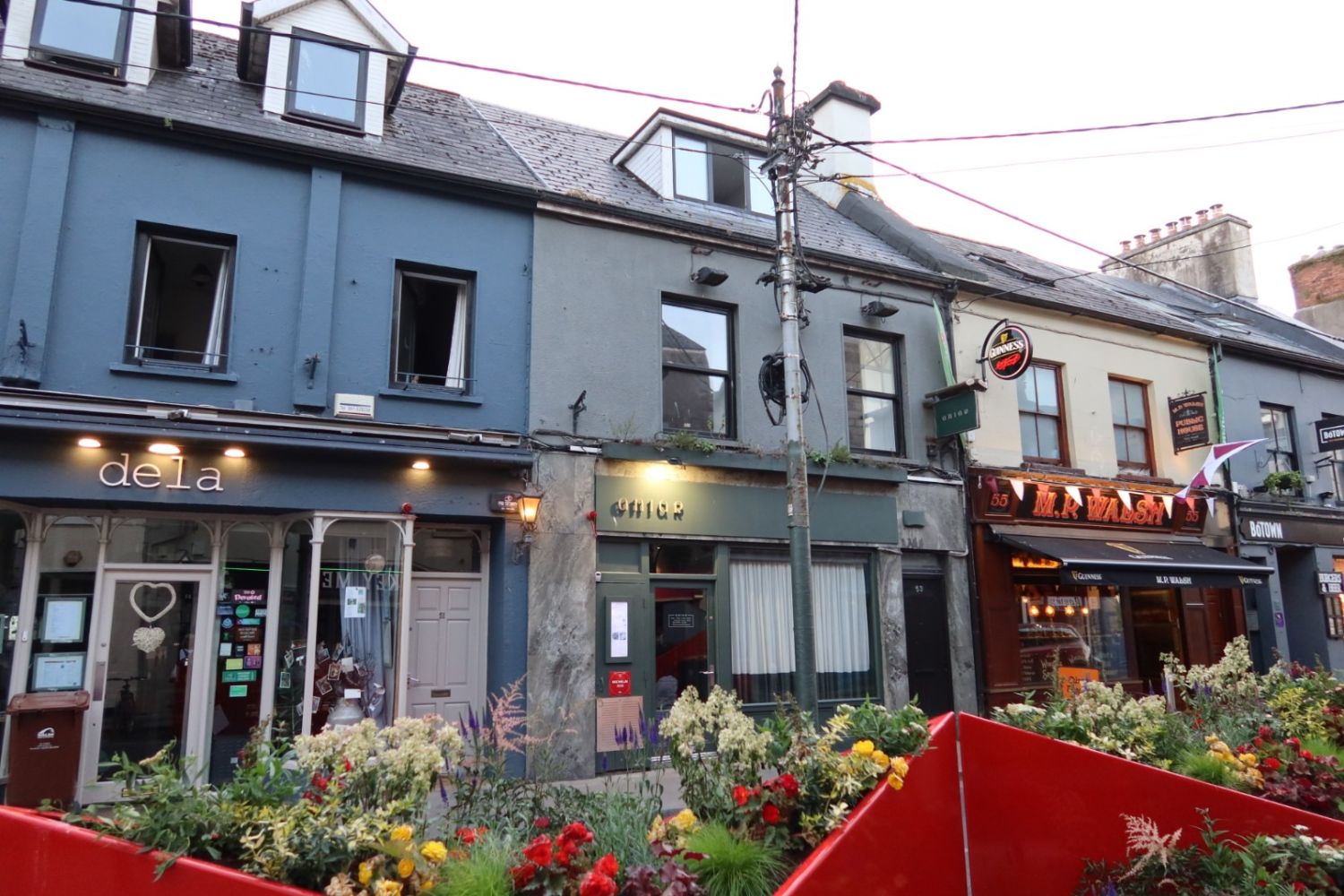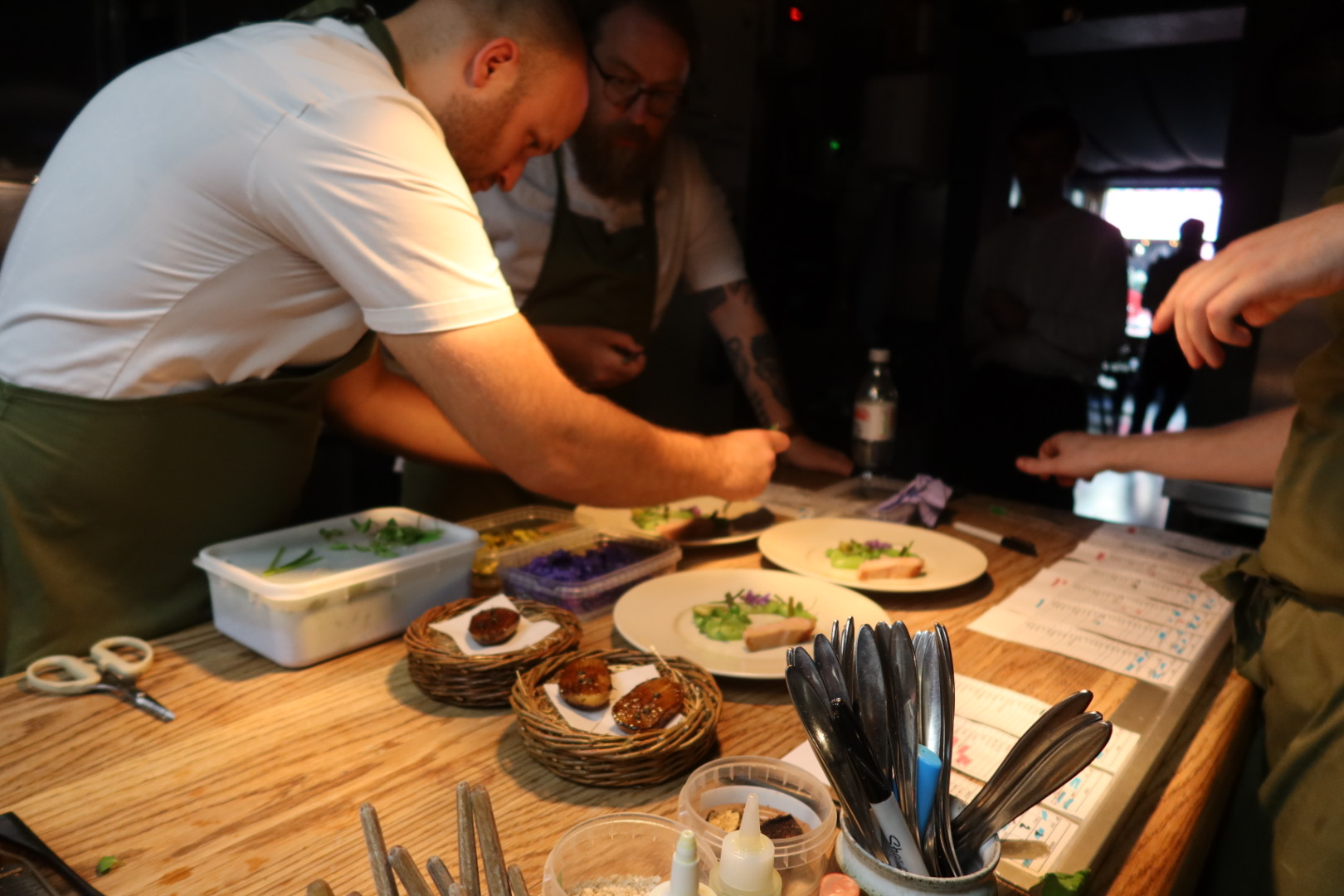
When I booked my trip back to Ireland, there was one place I knew I had to visit.
About five years ago, I bought JP McMahon's *The Irish Cookbook* on the road while I was moving back from Far North Queensland. It wasn't just another cookbook to add to the shelf — it was a book I longed for, a way to learn more about Ireland, its food and its history. I believe food holds so many stories, and every time I opened it, I discovered another ingredient, some of them surprisingly similar to what we use as native ingredients here in Australia. Another story, another way of looking at Irish food. It sparked a curiosity that only grew stronger over the years.
That curiosity led me to follow JP's work, and during COVID we even teamed up for three fun online kids' cooking classes, time zones and all. They were relaxed, a bit of fun, and another reminder of how generous he was with sharing his knowledge.
I emailed Abigail, JP's PA, wondering if there was any chance I could spend some time in the kitchen at Aniar while I was in Galway. Honestly, I told her I was happy to do dishes and just observe the staff — I didn't want to get in the way. Even an hour standing quietly in the corner, shucking oysters or picking herbs, would have been enough.
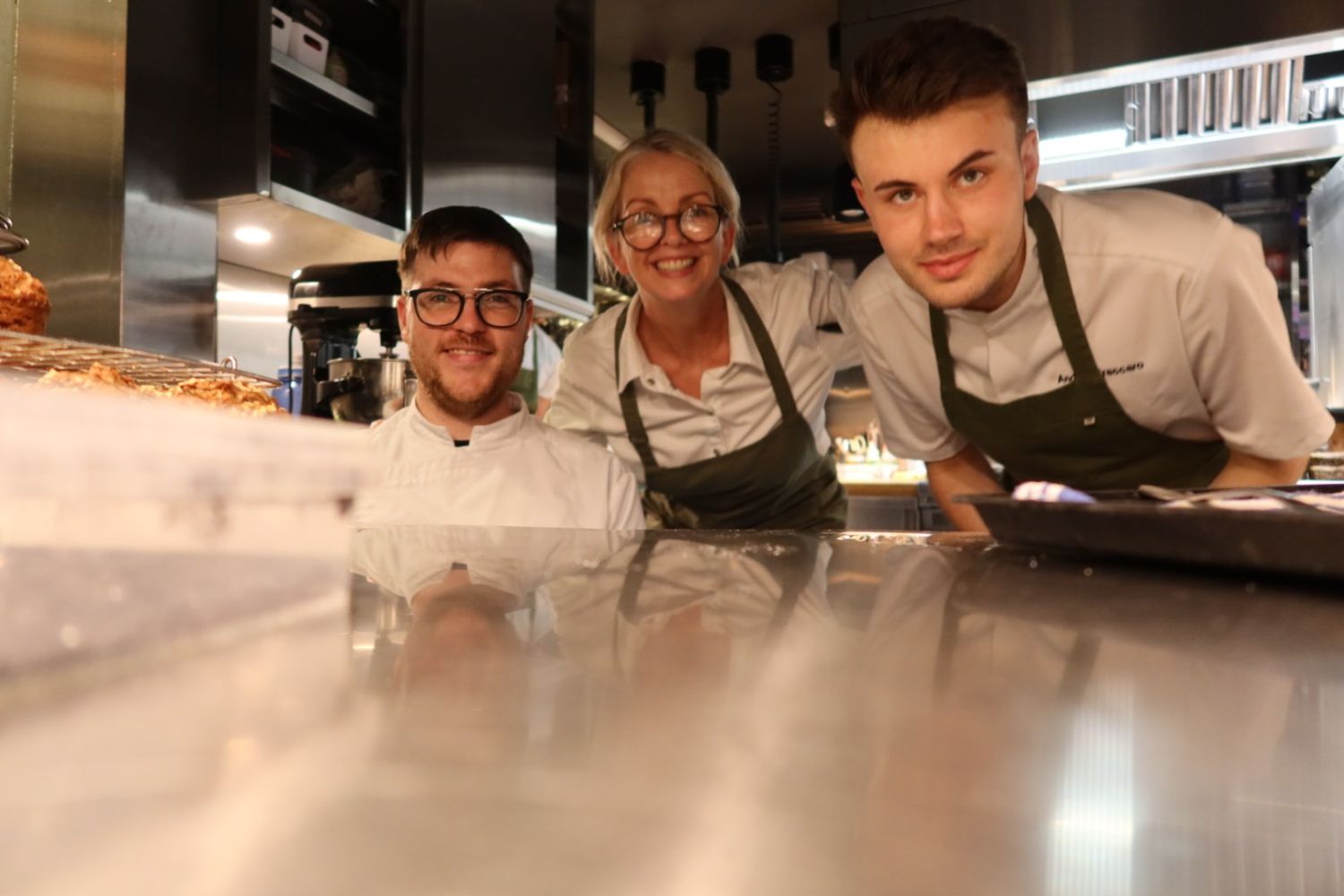
Instead, they welcomed me into their world. Walking into another chef's kitchen is intimidating. Every kitchen has its own rhythm, its own language, its own way of doing things. I remember standing there thinking, *just don't get in the way* — while trying not to make it too obvious how jet-lagged I was. Would've been different if I was twenty years younger, for sure. The way we bounce back isn't quite what it used to be.
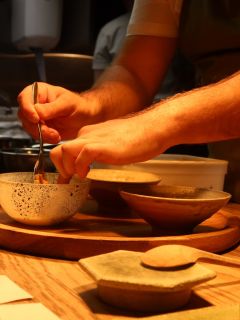
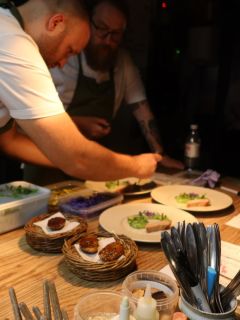
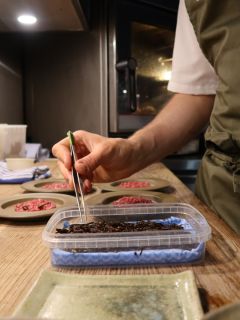
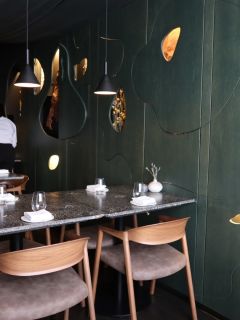
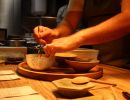
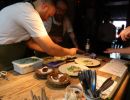
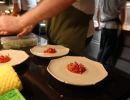
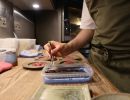
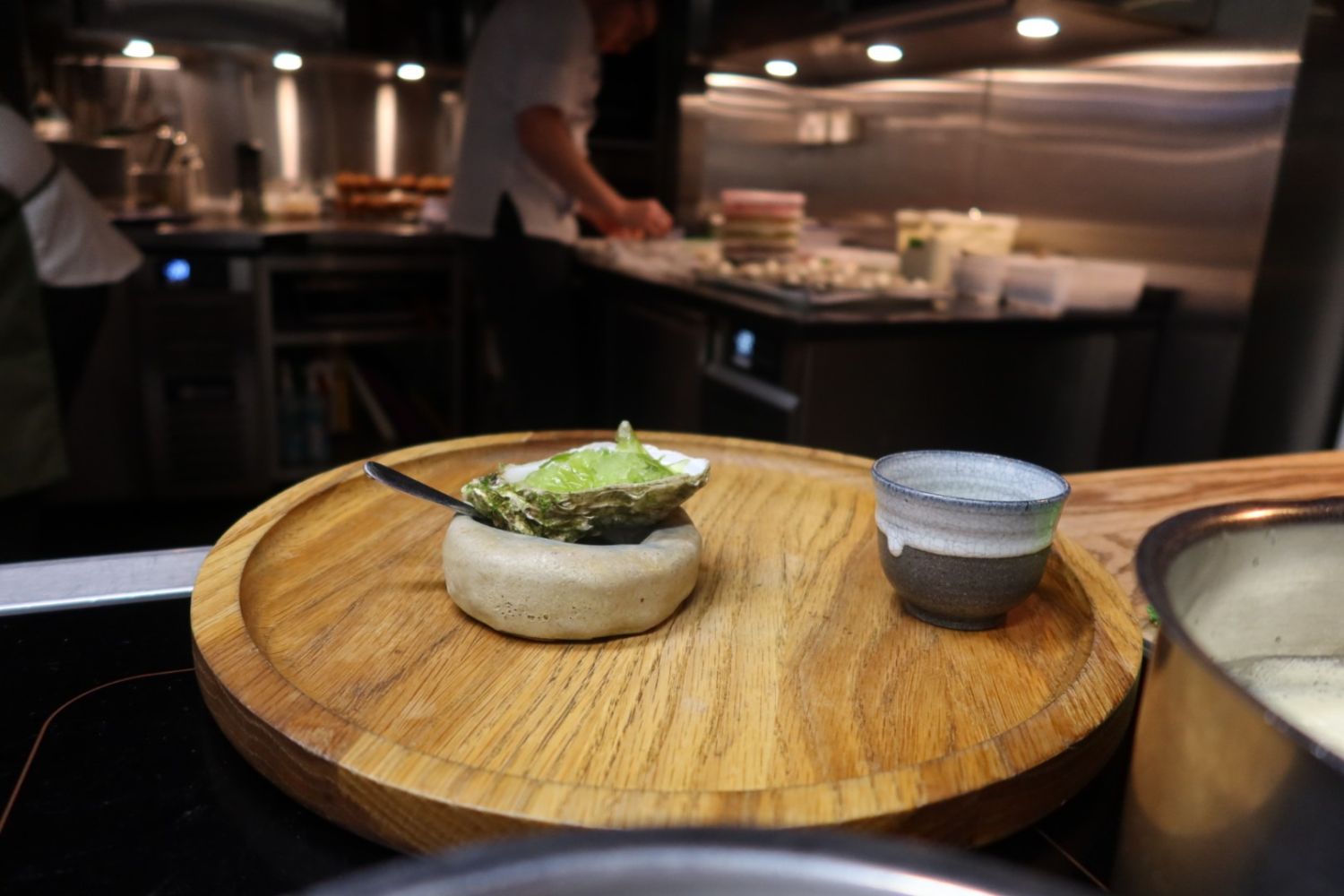
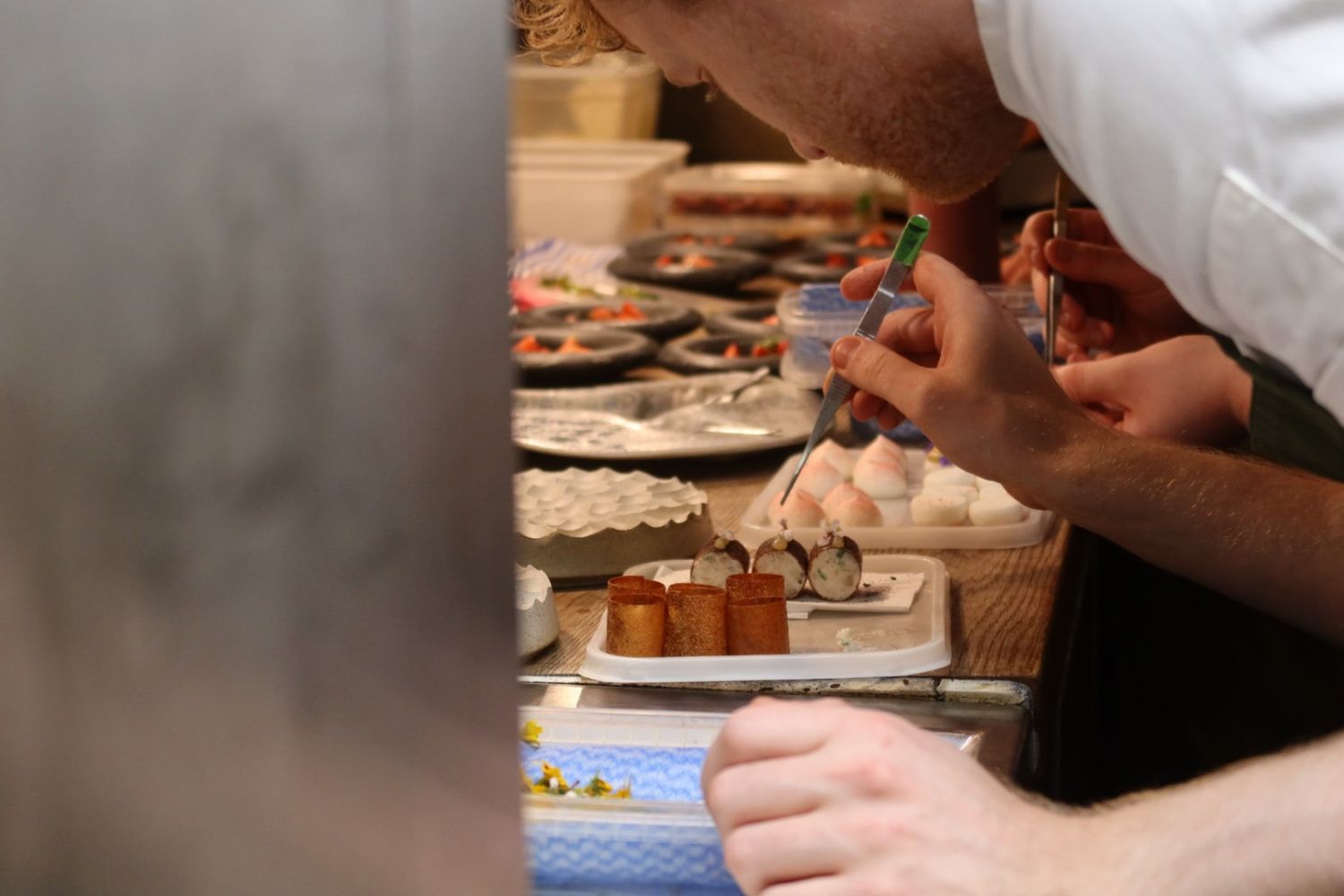
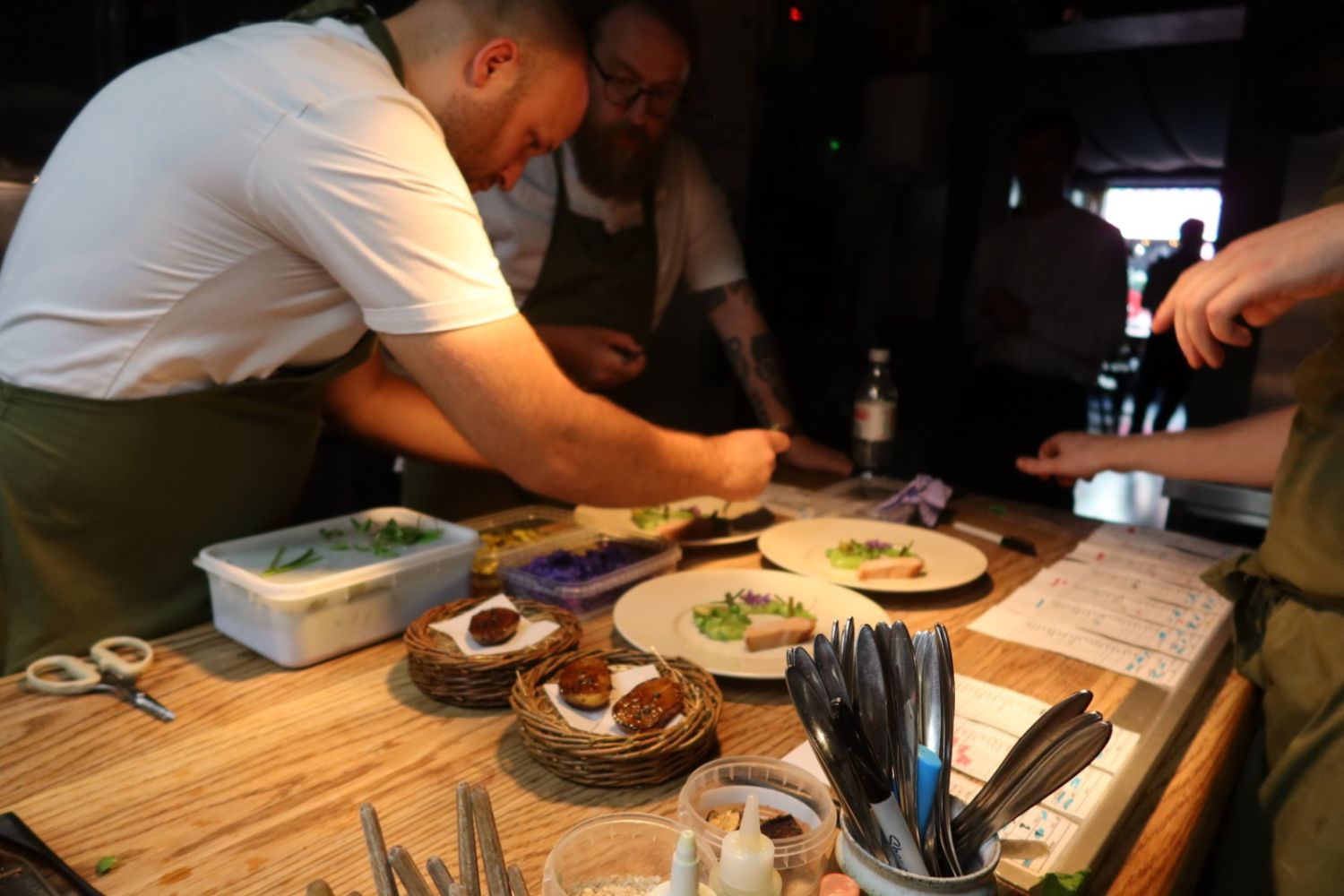
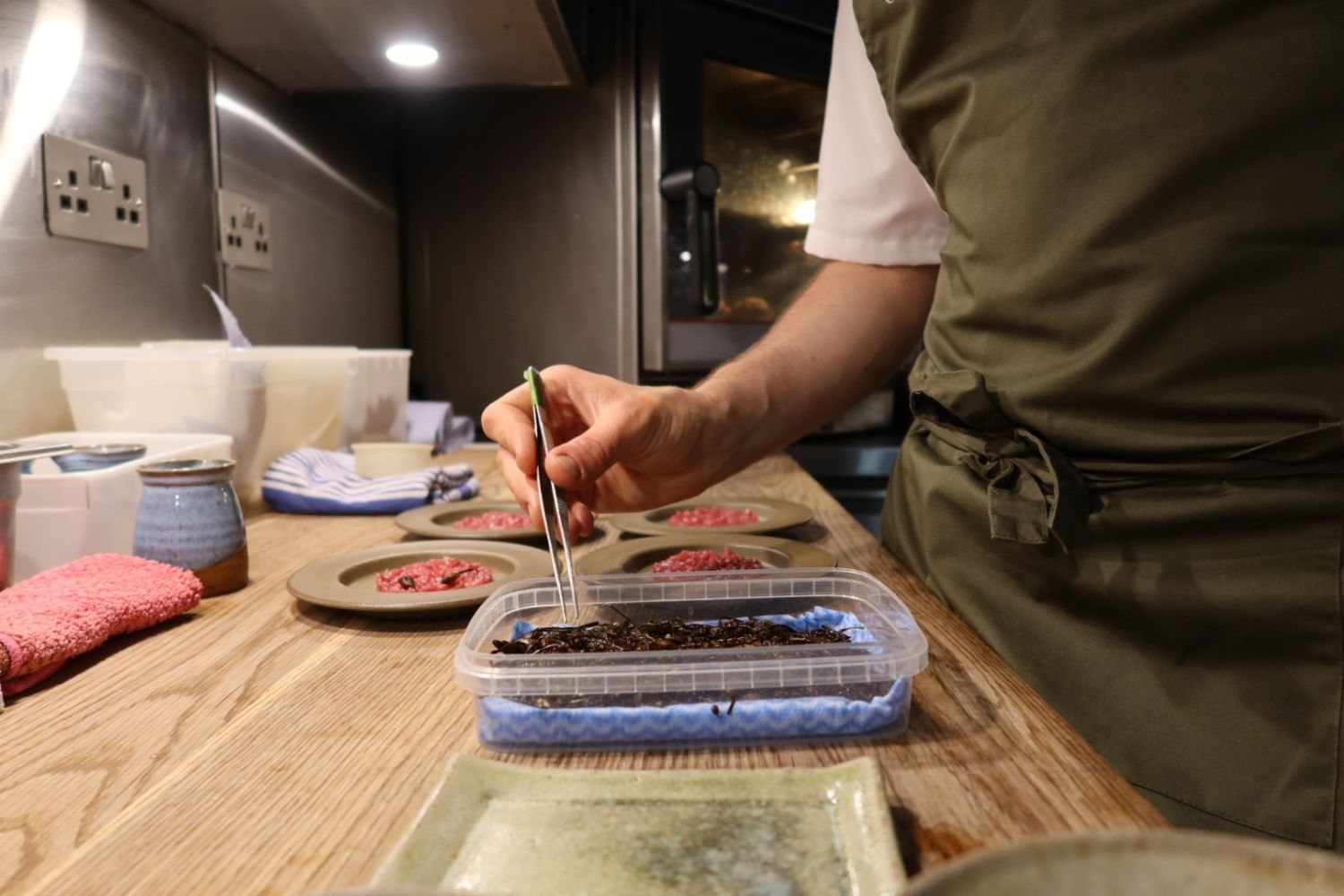
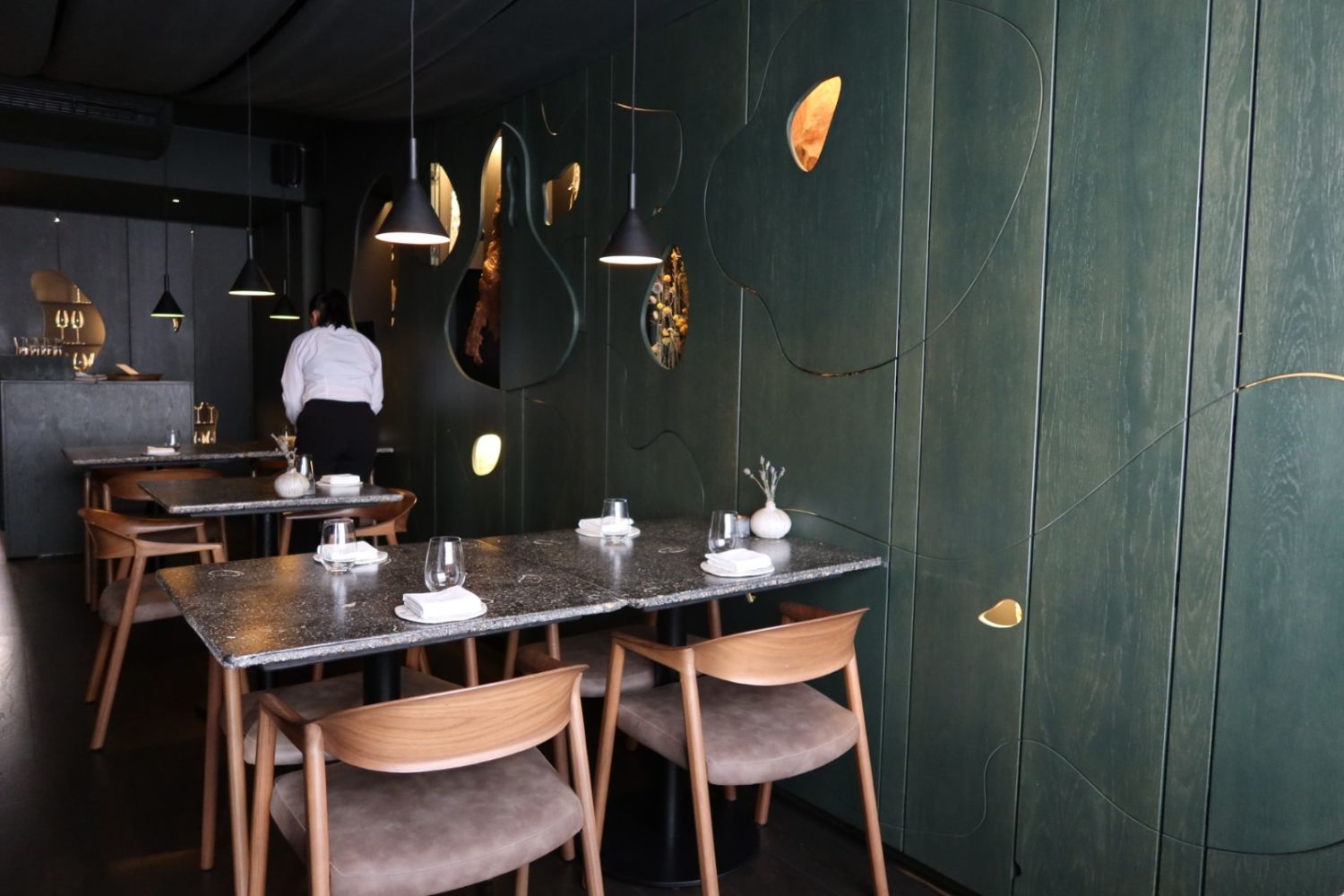
Aniar opens in the evening and seats only a small number of guests on its set menu, but by the time I arrived, the kitchen was already deep into preparation. Every chef was focused, quietly getting on with the work most diners never see. It reminded me that what eventually arrives at the table is only a tiny part of the story.
As I watched, my nerves slowly disappeared. Questions were welcomed. Ideas were shared. Knowledge wasn't guarded.
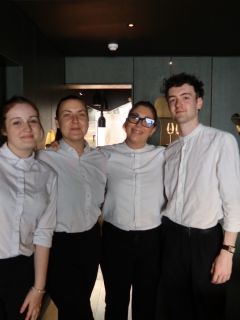
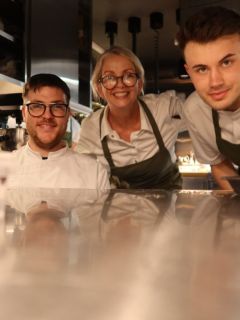
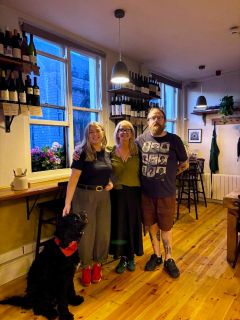
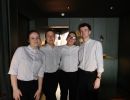
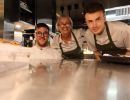
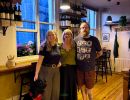
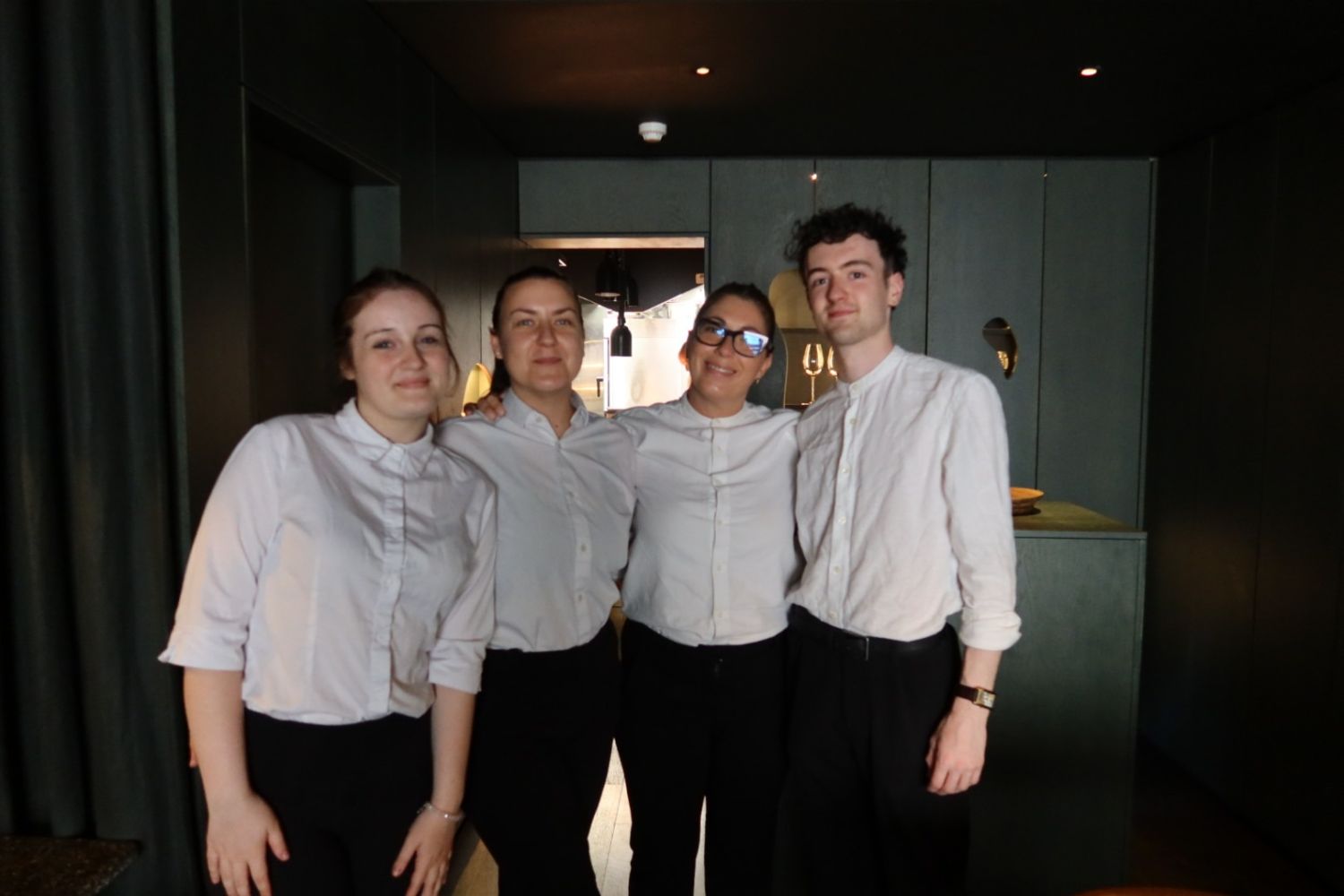
The team simply got on with what they do every day, and somehow made me feel completely welcome. A huge thank you to JP, Ian, Andrea, Angus, Sebe, GS, Attila and the whole kitchen team for having me, and to Abigail for helping make it all happen.
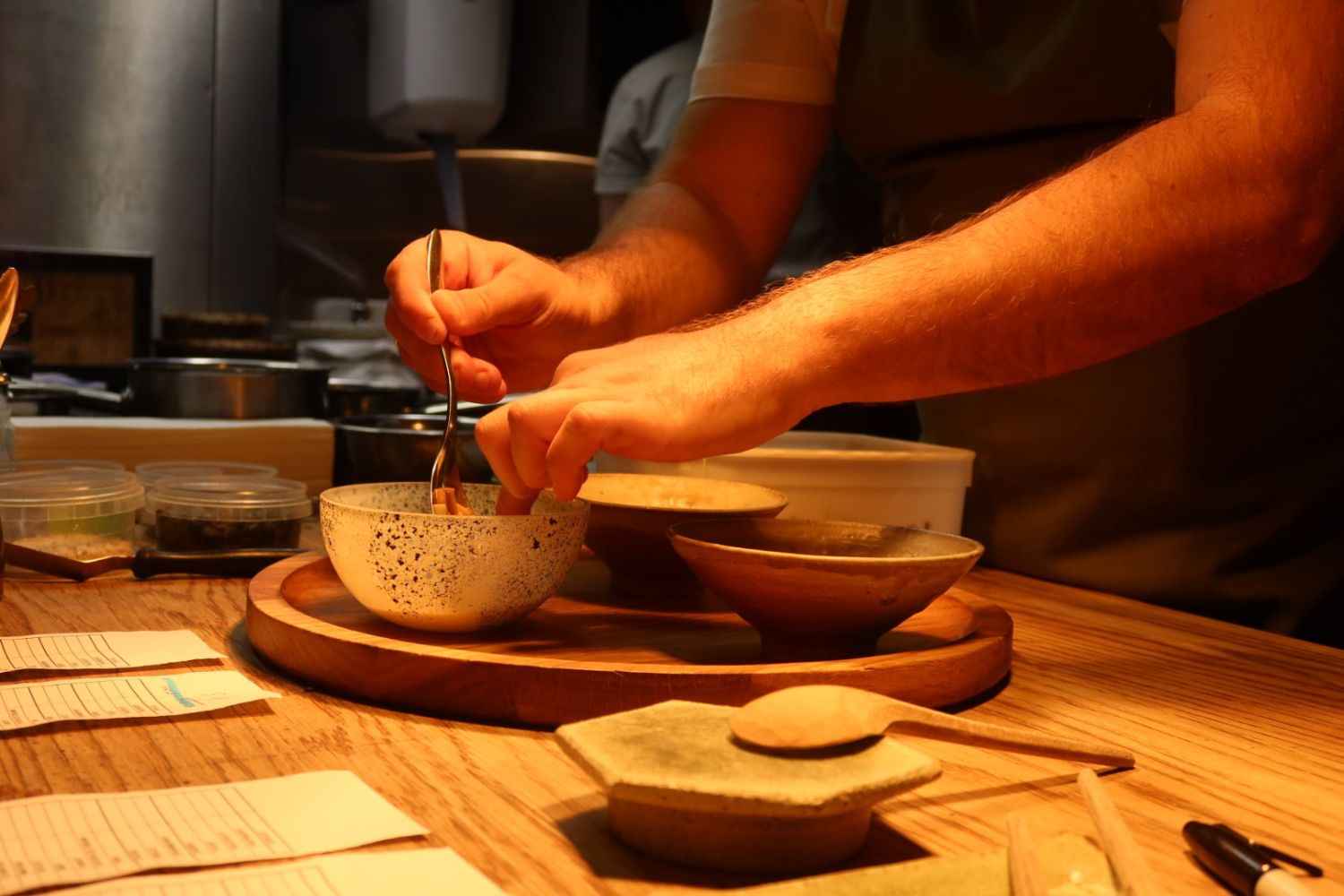
One thing that really stayed with me was the staff meal. It sounds simple, but it instantly took me back to my time working in London — sitting down together before service, sharing food, taking a moment before the evening began. Kitchens can be intense places, but those little moments remind you they're also communities. It gives staff a chance to sit, breathe, chat about something other than the kitchen, and debrief before service starts. Bloody fantastic.
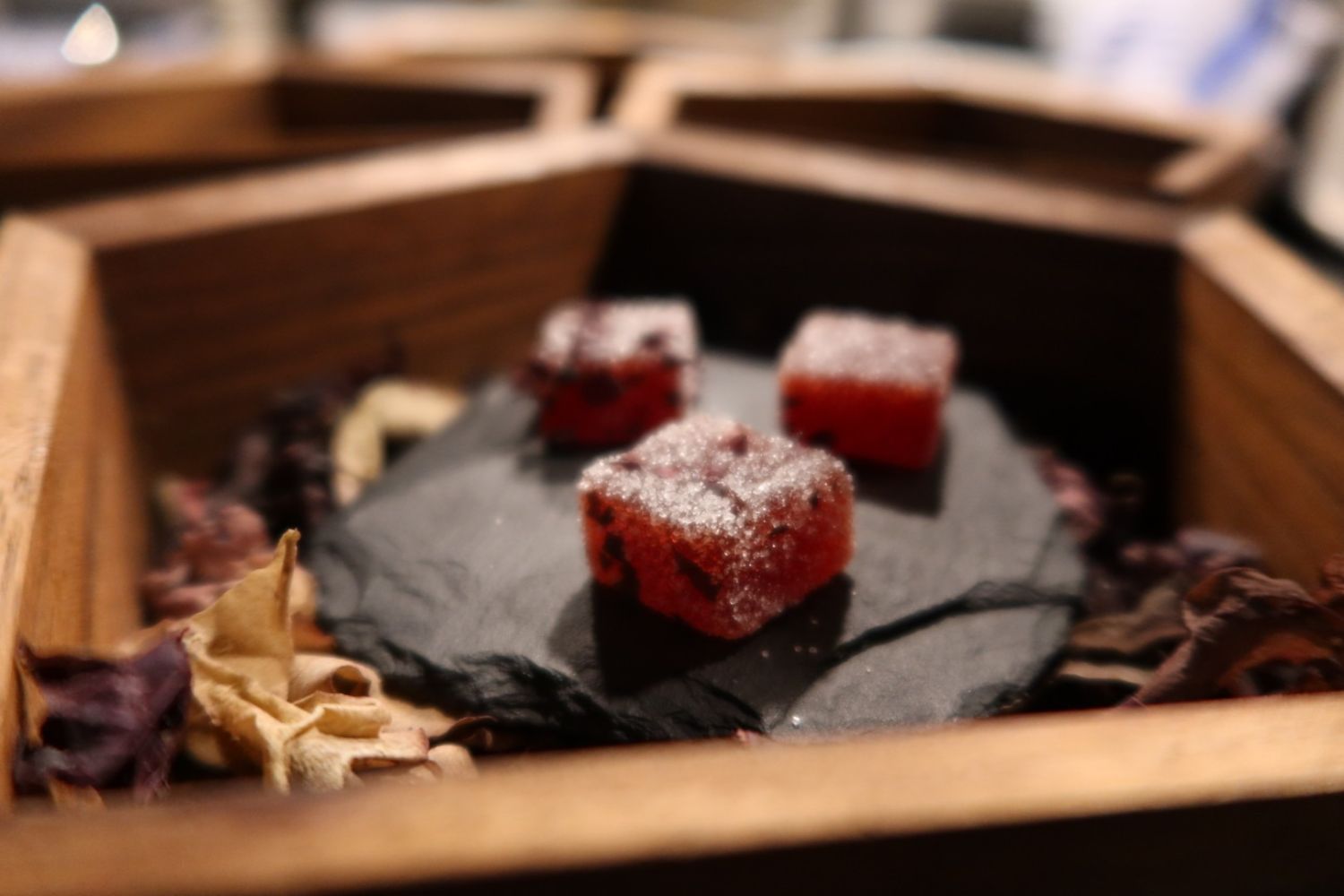
Then there was the food.
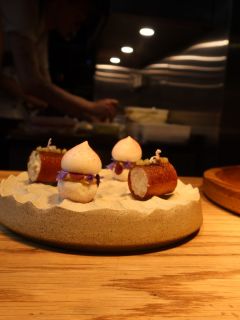
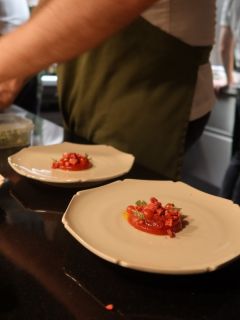
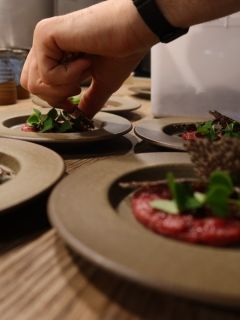
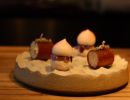
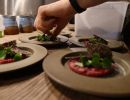
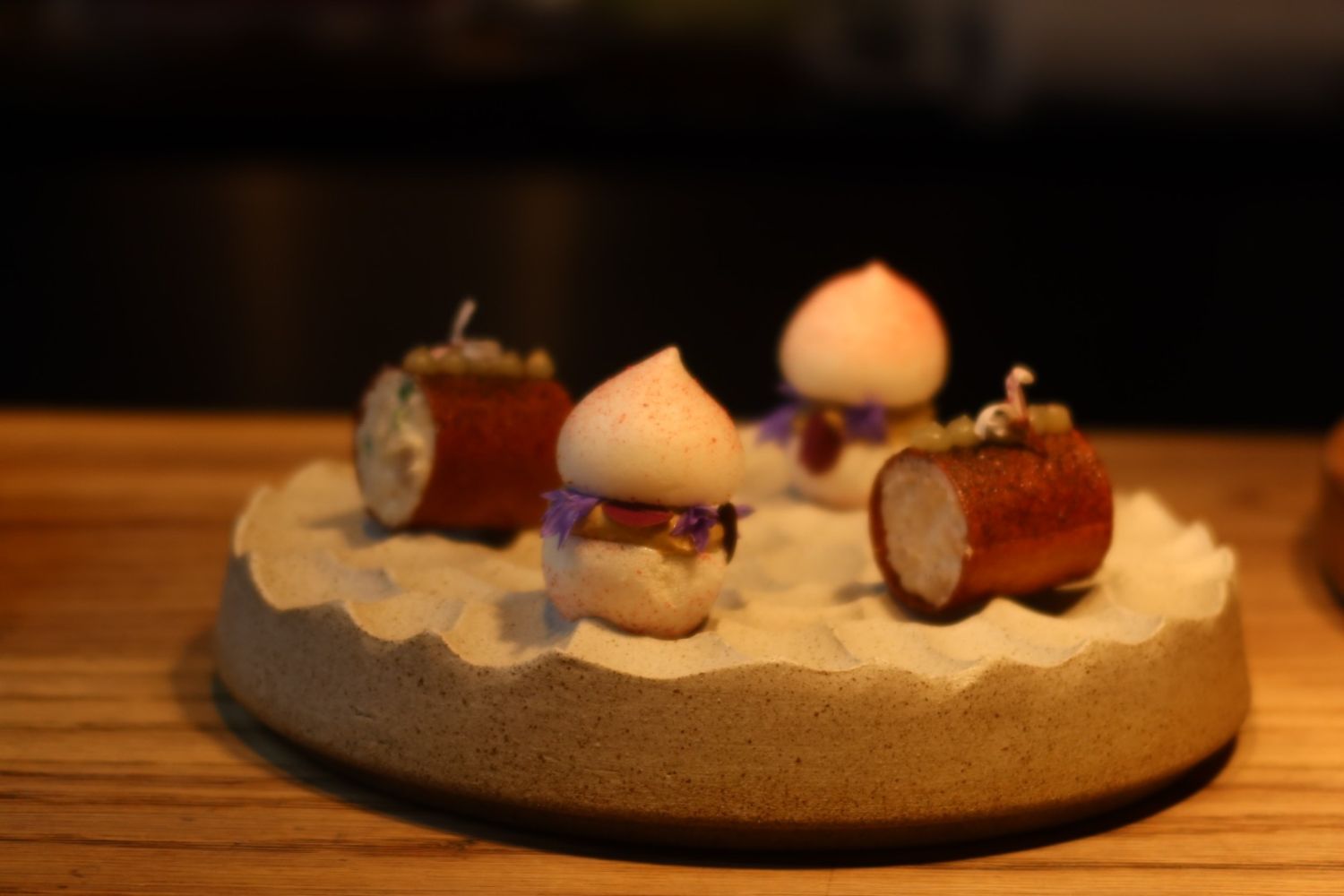
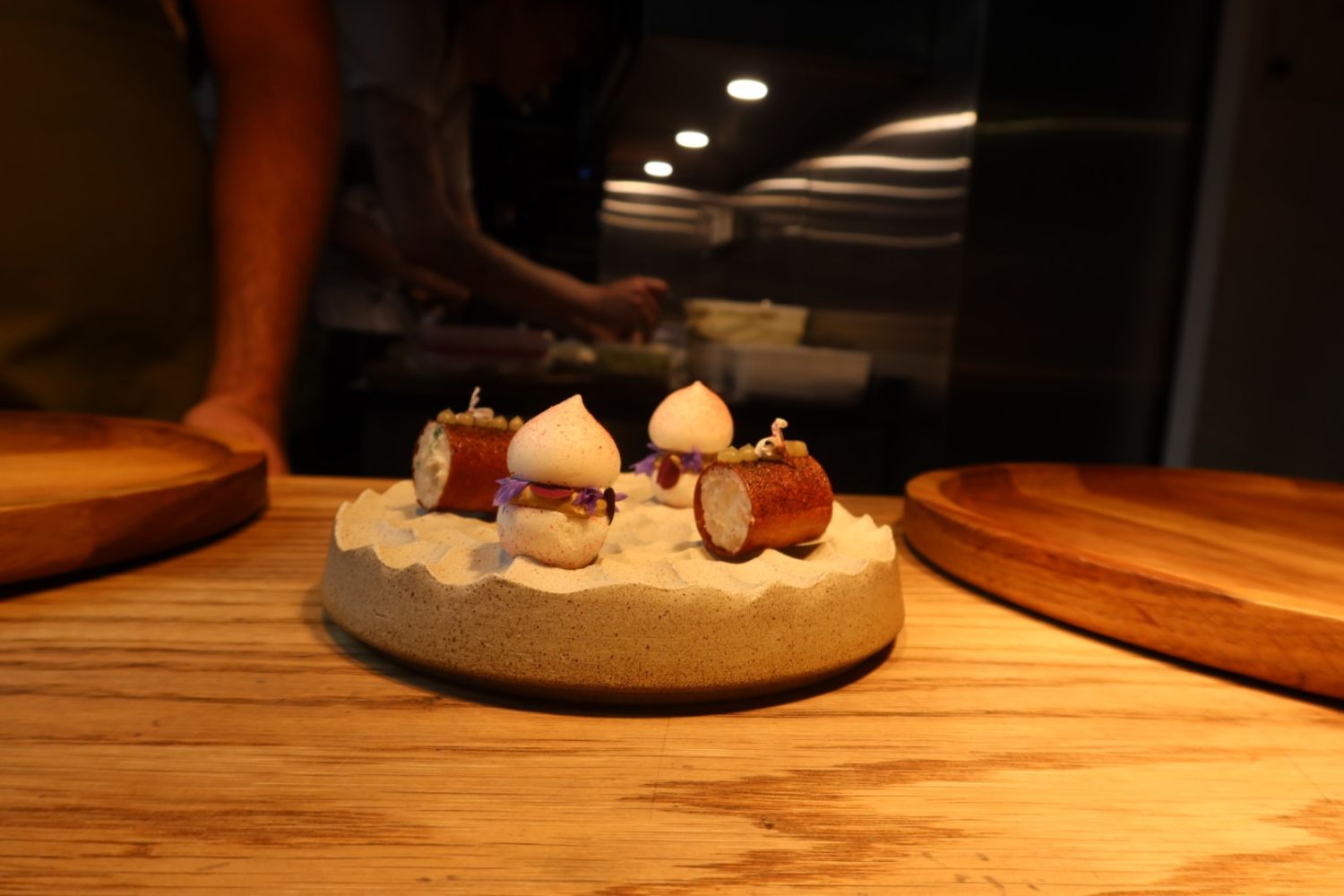
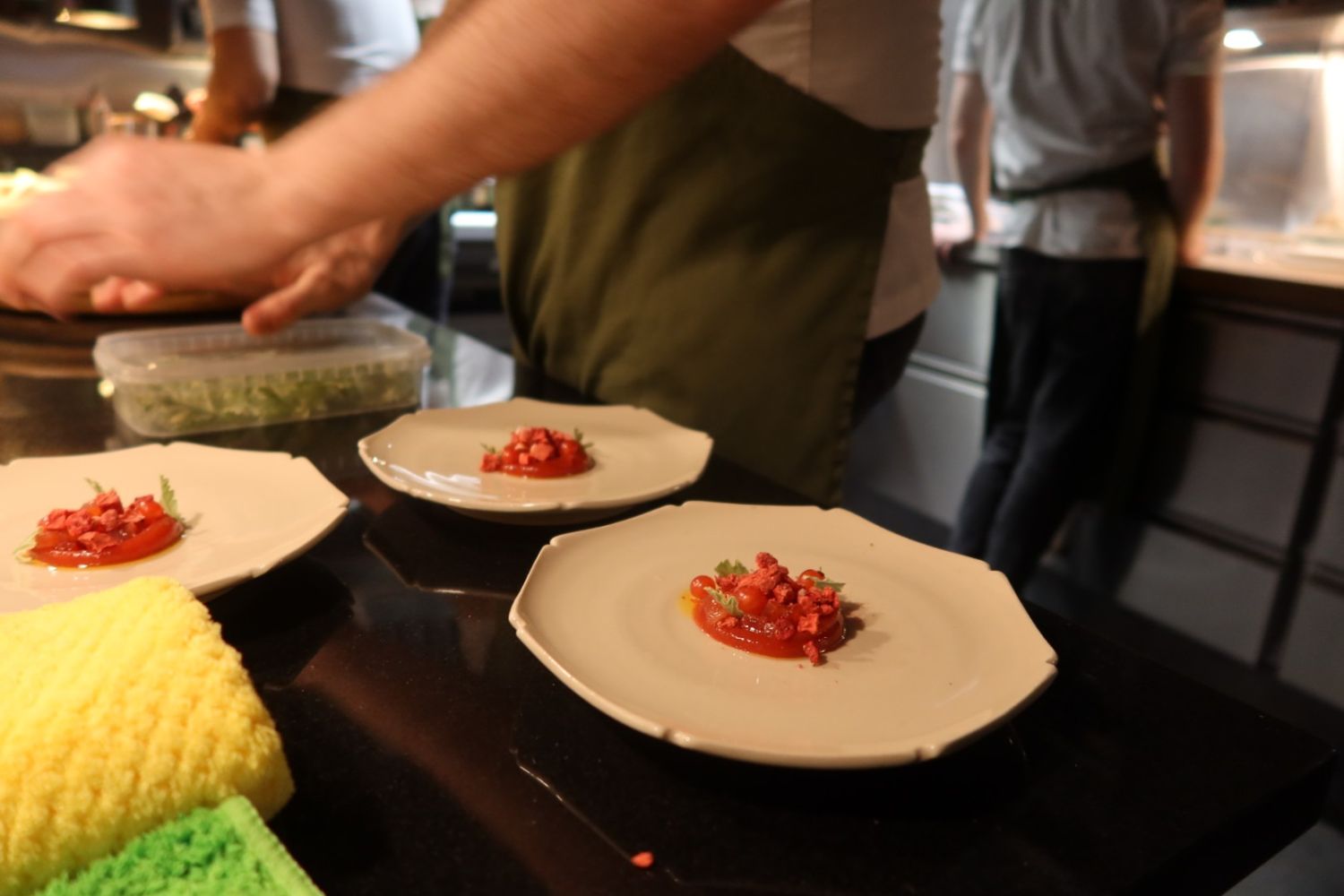
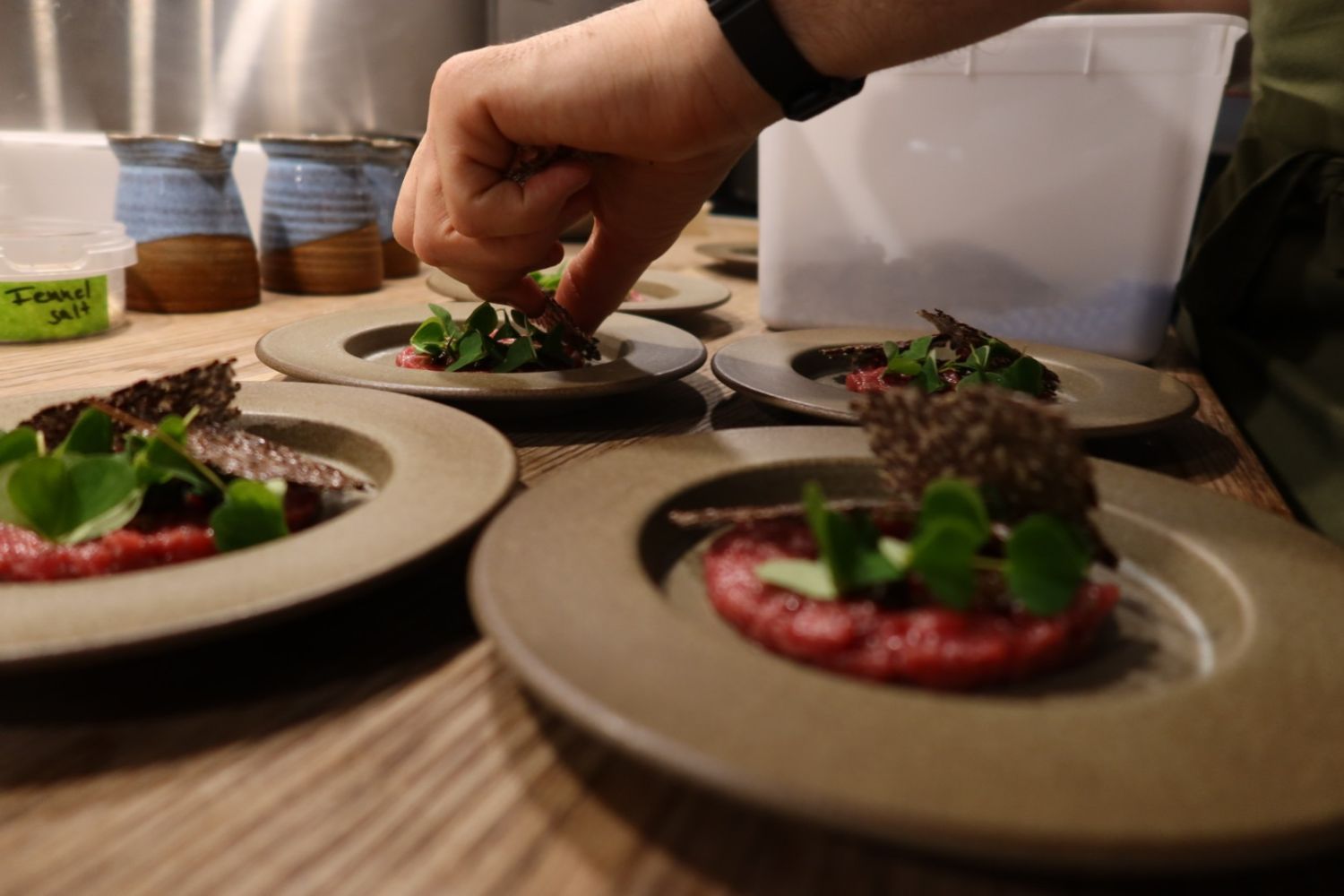
I'm not talking about the beautifully plated dishes you'd expect from a restaurant like Aniar. I'm talking about the thought behind every single element.
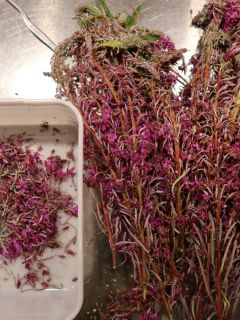
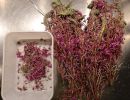
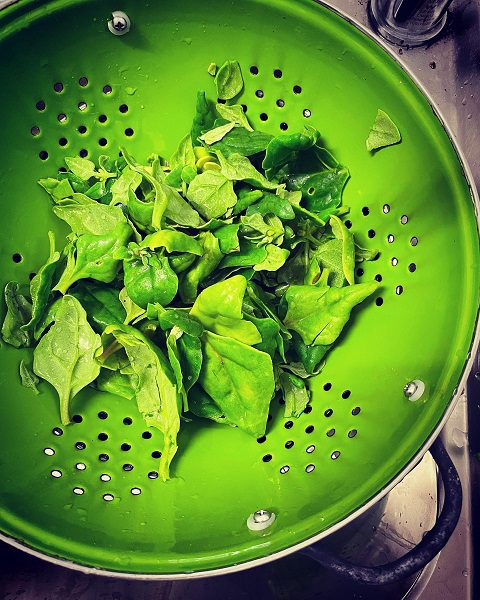
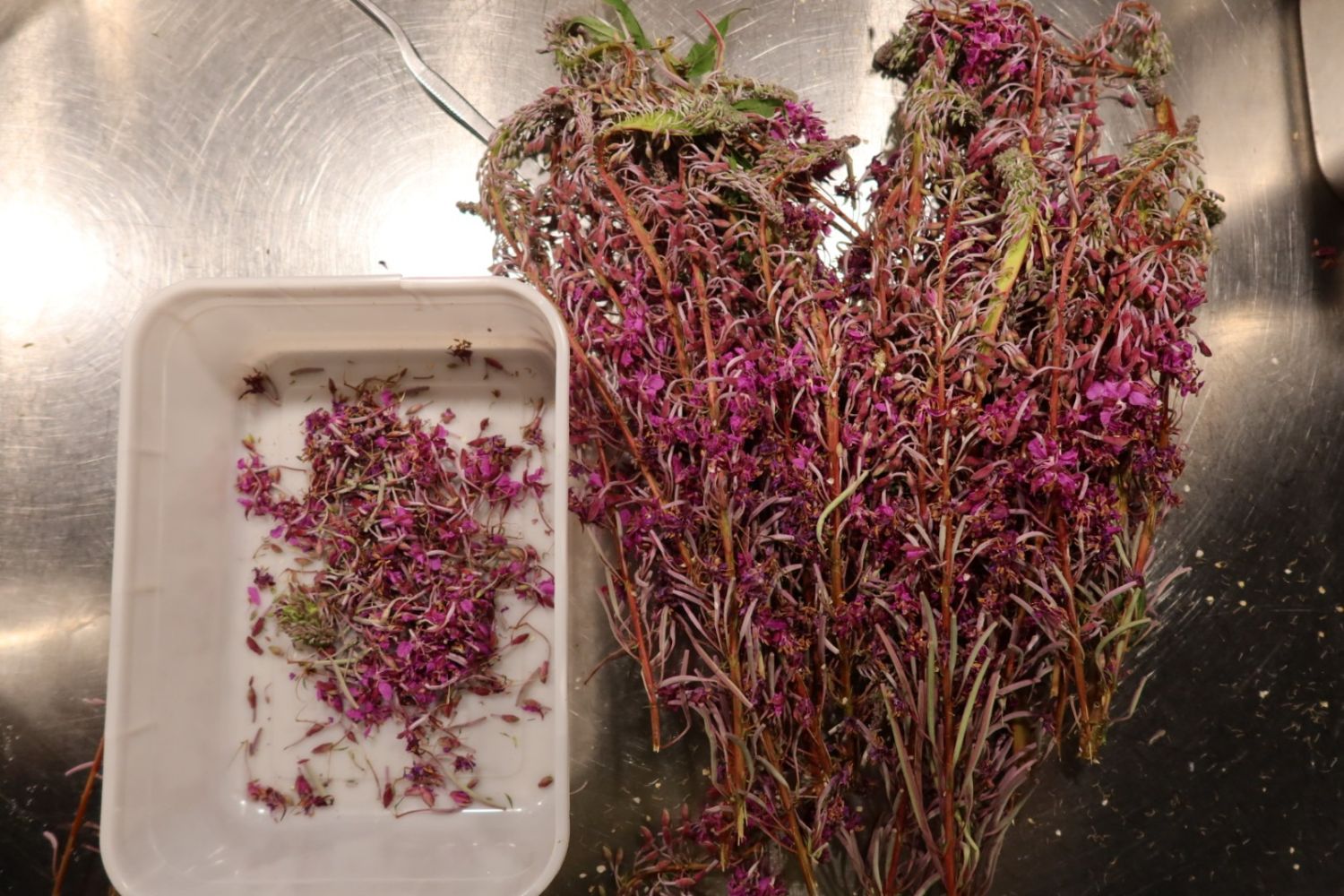
Sea purslane. Preserved ingredients. Juices. Ferments. Native herbs.
Every component had purpose. Nothing was there just because it looked nice. Every flavour connected to another. Every ingredient had been considered.
I found myself filling page after page in my notebook — not with recipes, but with ideas. How flavours were layered. How acidity was balanced. How preservation let ingredients tell their story beyond their season. How simplicity can actually require more thought, not less.
One of the things that struck me most was the respect. Respect for the ingredients. Respect for the seasons. Respect for the producers. Respect for Ireland's food culture.
It made me stop and think about my own cooking back home. How can I become more creative while keeping things simple? How can I keep telling stories through food without making dishes complicated? How do I find time to think and experiment when, like so many small business owners, I'm also the chef, the owner, the menu writer, the social media person — everything, all at once?
Not having a big team has its obstacles. I'd love to have different staff members allocated to different sections, to help elevate the dishes further. But running a restaurant in the middle of a western state, with no foot traffic and only word of mouth and social media bringing people through the door, comes with real trade-offs. Fewer bums on seats means less room to bring on staff — and without more staff, opening hours stay limited, which makes it harder to draw people in. A bit of a double-edged sword.
But that doesn't mean I can't learn from the philosophy behind it. What I can take home is the mindset. The curiosity. The respect. The reminder that every ingredient deserves a reason to be on the plate.
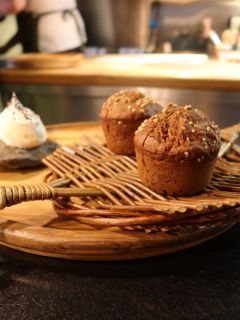
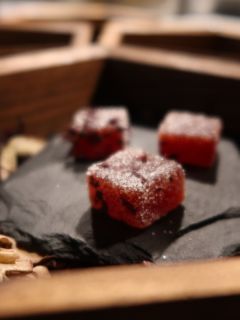
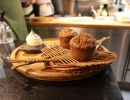
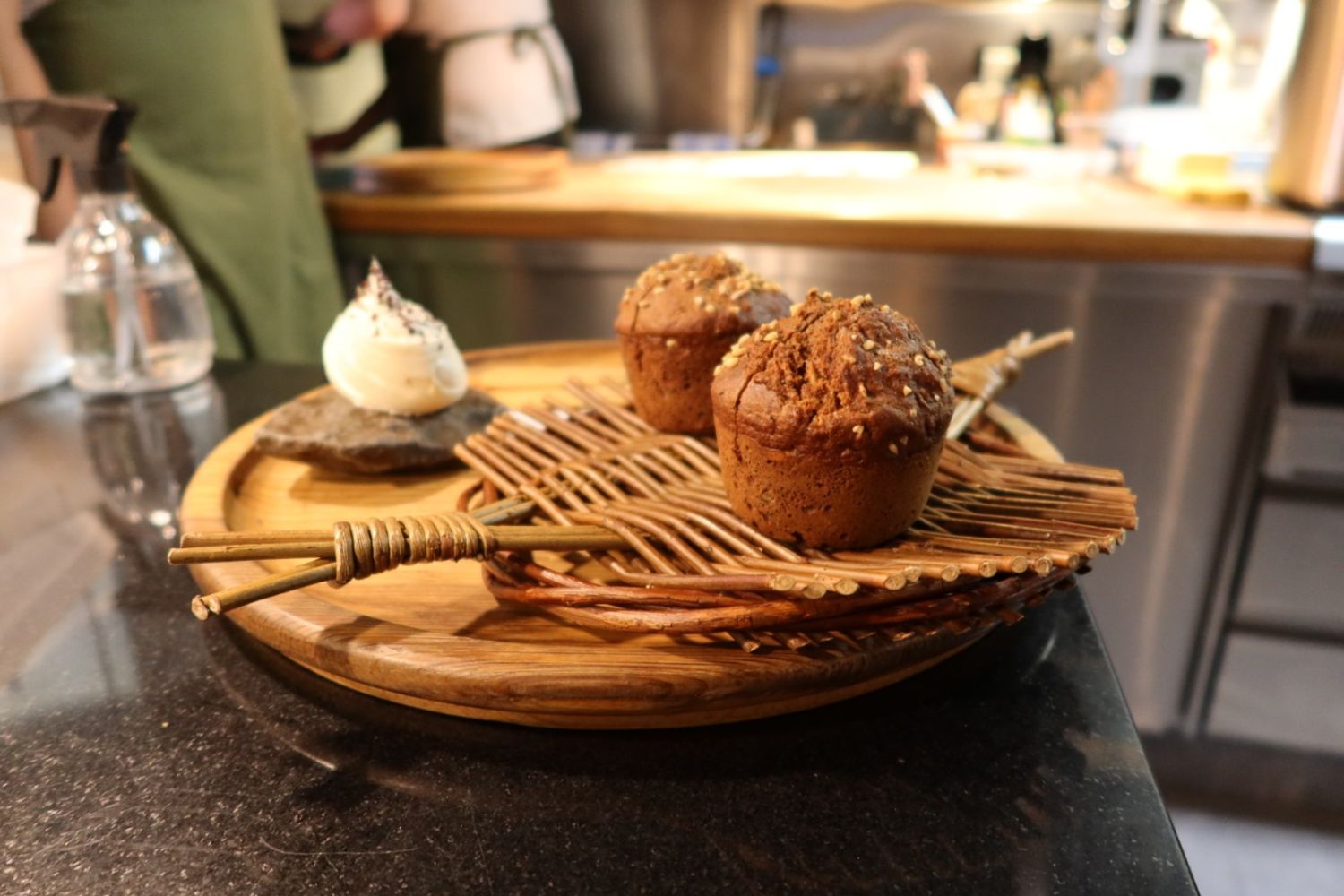
Some of the dishes and ingredients that really stayed with me: sea purslane, elderflower, beautifully preserved ingredients, delicate juices, incredible cultured butter made by Angus, and the Irish soda bread I'll honestly be thinking about for a very long time. Every dish seemed to tell a story of Ireland without needing to shout about it.
Perhaps the biggest lesson wasn't something I tasted at all. It was the reminder that no matter how long you've been cooking, you'll always be a student. I still have so, so much to learn about Irish food — and I couldn't be happier about that.
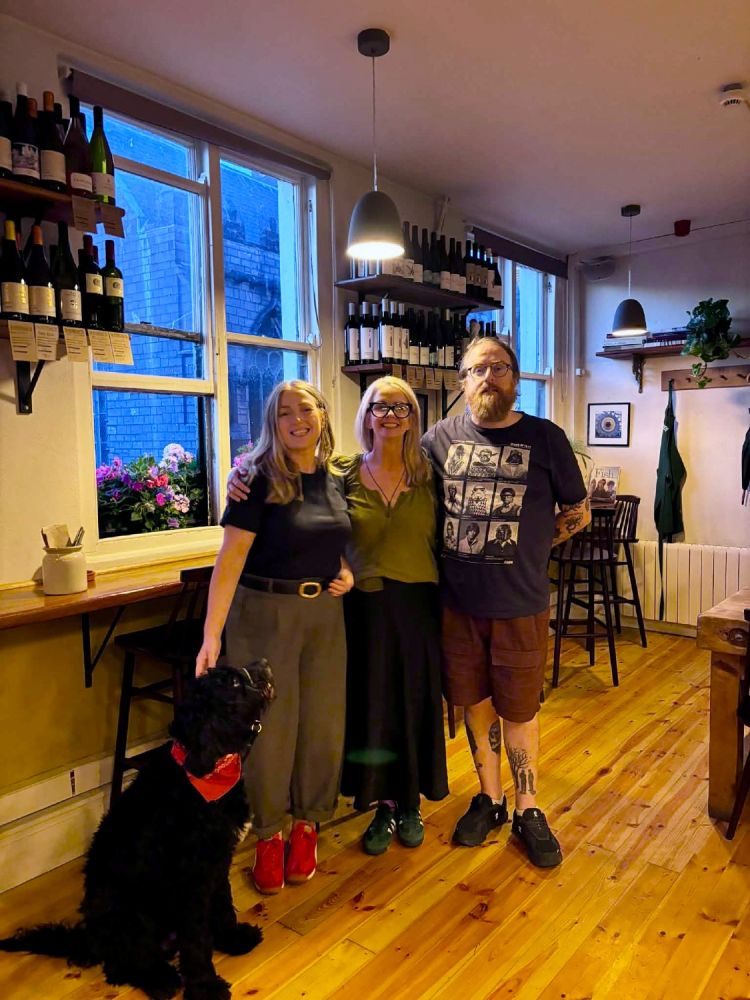
To everyone at Aniar: thank you for opening your kitchen, answering every question, sharing your knowledge so generously, and making an Australian chef feel so at home.
I arrived hoping to pick up a few new techniques. I left with pages of notes, a head full of ideas, and a renewed excitement to walk back into my own little kitchen — and keep discovering.